
Emergency Fund Calculator
Enter your essential monthly expenses and current savings to find your target fund.
Direct answer: An emergency fund calculator shows how much cash you need to cover essential bills if your income stops. Multiply your essential monthly expenses by the number of months you want to cover, usually three to six, then subtract what you have already saved. The result is your savings target and the gap you still need to close.
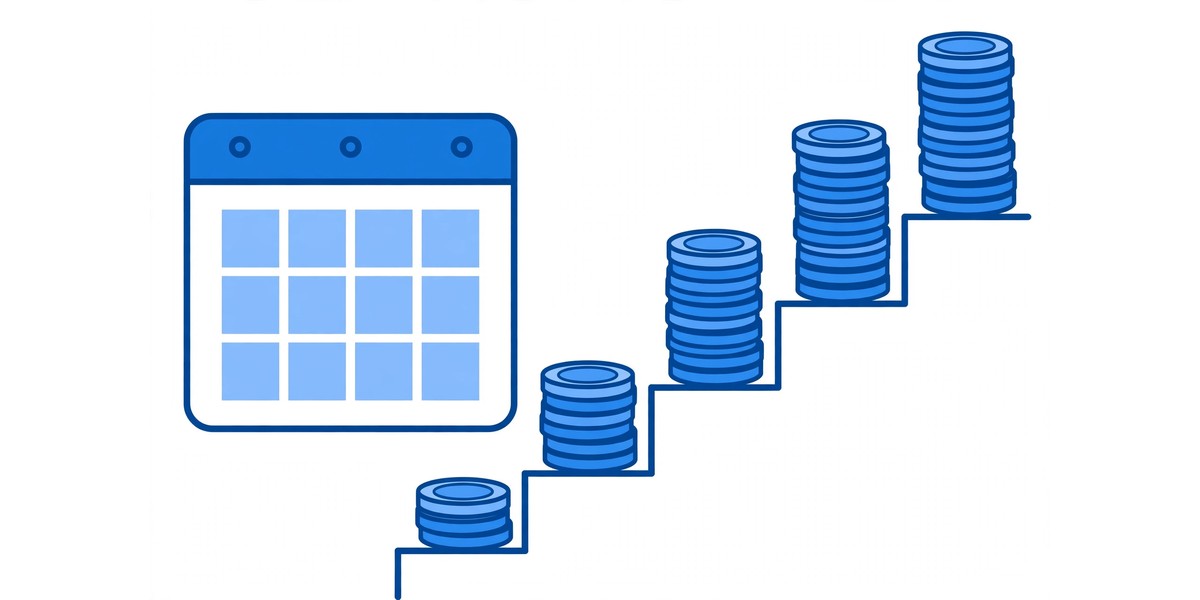
An emergency fund is cash for sudden, unavoidable costs: a job loss, a medical bill, a major car repair, or a broken home appliance. It is not a vacation fund. When it is in place, one surprise does not have to become credit card debt.
Many people know they should save for emergencies, but they do not know the exact number to aim for. A clear target, based on real monthly essentials, gives you a finish line and a monthly plan.
How to Use This Emergency Fund Calculator
Use honest, current numbers. Round up if you are unsure, because a slightly larger fund is safer than one that runs out a month early.
- Add up essential monthly expenses. Include rent or mortgage, utilities, groceries, transport, insurance, minimum loan payments, and essential phone costs. Leave out dining out and extras you could pause.
- Choose months of coverage. Start with 3 months if money is tight, 6 months for most households, or 9 to 12 months if your income varies or you are the only earner.
- Enter what you have already saved. Count only cash you can reach quickly, such as a savings account balance. Do not count retirement accounts or home equity.
- Enter a realistic monthly savings amount. Pick a figure you can keep every month. A smaller steady amount beats a large amount you abandon after two weeks.
- Read your target, gap, and timeline. The calculator shows your total target, months already covered, the amount still missing, and months needed to close the gap.
If your result feels large, break it into milestones: one month of essentials, then two months, and so on. If you are planning a second target as well, a savings goal calculator for a separate goal can track it without mixing it into your emergency cash.
What Counts as an Essential Expense?
Essential expenses are costs you must pay to keep housing, stay healthy, get to work, and meet legal obligations. Everything else can be reduced or paused in a true emergency.
- Housing: rent or mortgage, plus essential property costs.
- Utilities: electricity, water, heating, and basic internet for work.
- Food: groceries and basic household supplies, not takeout.
- Transport: fuel, public transport, car insurance, and essential upkeep.
- Insurance and health: health insurance, prescriptions, and regular medical costs.
- Minimum payments: minimum loan and credit card payments, to avoid fees.
- Essential phone: a basic plan needed for work and safety.
Do not include subscriptions you could cancel, gifts, dining out, or new clothes. If you include lifestyle spending, your target will look so large that you may give up. To check your pay after tax, use a take-home pay calculator for your net monthly income.
How Many Months Should Your Emergency Fund Calculator Cover?
There is no single right answer. The right length depends on job security, income sources, health, and how fast you could replace lost income.
Three months of coverage
Three months suits a dual-income household with stable jobs and low fixed costs. It is also a sensible first milestone from zero.
Six months of coverage
Six months is the most common recommendation. It suits most single earners and families with a mortgage or dependents.
Nine to twelve months of coverage
Nine to twelve months suits freelancers, commission workers, single-income households, and people in slow-hiring industries. The target is larger, so build it in stages.
Once your fund is complete, costly debt deserves attention, and a debt payoff calculator for clearing high-interest balances can plan that next step. Money beyond the target could suit longer-term growth, and a compound interest calculator for long-term growth beyond your fund can show that growth. Keep the emergency fund itself in cash you can reach at once.
Worked Examples
Each example uses the same method: target equals essential monthly expenses multiplied by months of coverage, and gap equals target minus savings already held.
| Case | Essential expenses | Coverage | Already saved | Target | Gap | Months to close |
|---|---|---|---|---|---|---|
| Household A | $2,900 per month | 6 months | $5,000 | $17,400 | $12,400 | 25 months at $500 per month |
| Household B | $2,000 per month | 3 months | $6,500 | $6,000 | $0 | Already funded |
| Household C | $3,500 per month | 9 months | $8,000 | $31,500 | $23,500 | 24 months at $1,000 per month |
Household A needs $17,400. With $5,000 saved, the gap is $12,400, and $500 per month gives 24.8 months, rounded up to 25. Household B needs only $6,000, so $6,500 already covers it. Household C: nine months at $3,500 is $31,500, leaving $23,500 after $8,000 saved.
Emergency Fund Calculator FAQs
How much money should I have in an emergency fund?
Aim for three to six months of essential expenses. Start with one month, then build to three, then six.
Is three months of expenses enough for an emergency fund?
Three months can suit a stable dual-income household with low fixed costs. For a single earner or freelancer, treat it as a first milestone, not the final target.
Where should I keep my emergency fund?
Keep it in a separate, easy-access savings account, away from everyday spending. You should be able to withdraw it within a day or two, without penalty.
Should I pay off debt or build an emergency fund first?
First build a starter fund of about one month of essentials, so a surprise does not force new borrowing. Then focus extra money on high-interest debt.
How can I build an emergency fund on a low income?
Start small and make it automatic. Save a fixed amount on payday, even $25 or $50 per month, and raise it when income rises.
When is it okay to use my emergency fund?
Use it for true emergencies: job loss, an urgent medical cost, a car repair needed for work, or an essential home repair. Do not use it for sales, holidays, or planned costs.
Learn More
Explore related calculators in the same financial planning group: