Most active adults need 0.7 to 1.0 grams of protein per pound of body weight per day (1.6 to 2.2 g per kg). A 170 pound person training regularly needs roughly 120 to 170 grams daily. People losing weight or building muscle should aim for the higher end, while sedentary adults can thrive near 0.5 to 0.7 g per pound.
Protein is the one macro almost everyone under eats. It builds and repairs muscle, keeps you full for hours, and burns more calories during digestion than carbs or fat. Yet when people start tracking, they routinely discover they eat half of what they need. This guide gives you exact targets by goal, shows the math, and lists the best sources.
Why Does Protein Matter So Much?
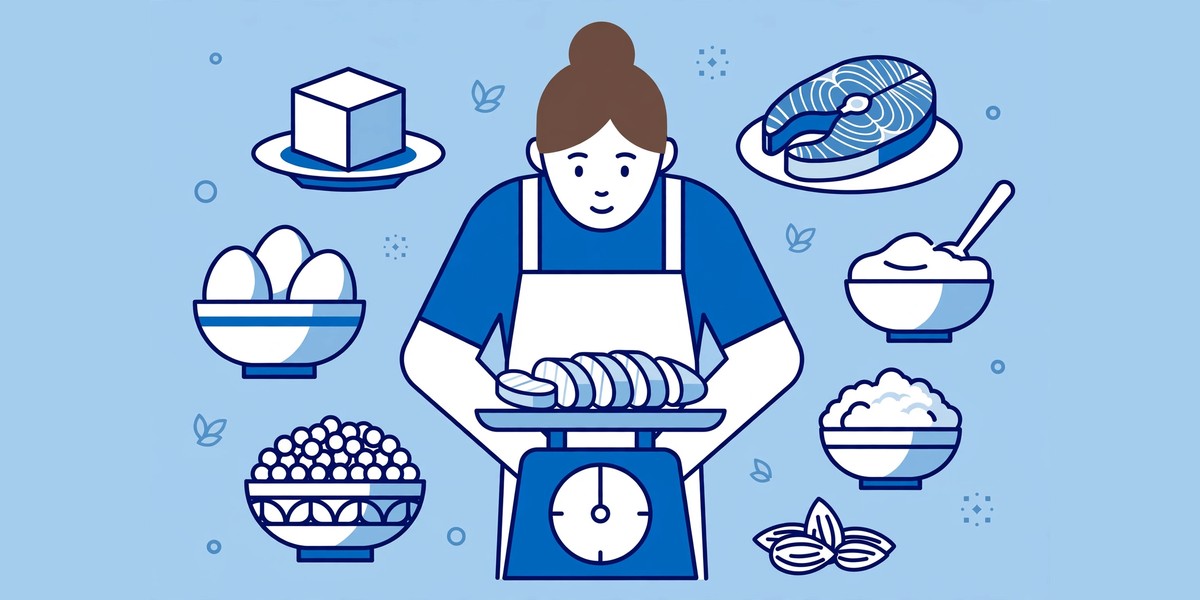
Protein does jobs no other macro can do. It supplies amino acids, the building blocks of muscle, skin, enzymes, and immune cells. It also has the highest thermic effect of food: your body burns 20 to 30% of protein calories just digesting it, compared with 5 to 10% for carbs and 0 to 3% for fat. A 400 calorie high protein meal effectively delivers fewer usable calories than a 400 calorie high fat meal.
Protein is also the most satiating macro. In study after study, higher protein meals reduce hunger and later snacking more than equal calorie meals built on carbs or fat. For fat loss, that appetite control is often the difference between sticking to a plan and quitting it.
How Much Protein Do You Need Based on Your Goal?
The right target depends on your activity and goal. Use grams per pound of body weight (or per kilogram) from this table:
| Your situation | g per lb of body weight | g per kg of body weight |
|---|---|---|
| Sedentary adult, general health | 0.5 – 0.7 | 1.2 – 1.6 |
| Active adult, maintaining weight | 0.7 – 0.8 | 1.6 – 1.8 |
| Losing fat, training regularly | 0.8 – 1.0 | 1.8 – 2.2 |
| Building muscle, training hard | 0.8 – 1.0 | 1.8 – 2.2 |
| Athlete in heavy training | 1.0 – 1.2 | 2.2 – 2.6 |
Notice the pattern: the leaner you are or the harder your deficit, the higher your protein target climbs. Dieting bodies are eager to break down muscle for energy, and generous protein is the main defense.
How Do You Calculate Your Protein Target?
Multiply your body weight by the factor matching your goal. Worked example: a 170 pound person (77 kg) lifting weights while losing fat.
- 170 lb x 0.8 = 136 g protein per day
- In calories: 136 x 4 = 544 calories from protein
If that person eats 2,000 calories a day, protein covers about 27% of intake, which fits a Balanced or High Protein split nicely. To get your full macro picture, run the same stats through our macro calculator and it will convert your calorie target into protein, carb, and fat grams automatically.
A second example for a lighter person: a 140 pound woman (64 kg) who is lightly active and maintaining. At 0.7 g per pound: 140 x 0.7 = 98 g protein per day, or 392 calories from protein.
What Happens If You Eat Too Little Protein?
Chronic low protein intake causes problems that creep up quietly:
- Muscle loss during dieting: without enough protein, up to 25% of lost weight can come from muscle instead of fat
- Constant hunger: low protein meals digest fast and leave you snacking within two hours
- Slow recovery: sore muscles linger, and training progress stalls
- Hair, skin, and nail issues: these tissues are built from protein and show deficiency first
If you are losing weight but getting weaker in the gym and always hungry, low protein is the first suspect.
Can You Eat Too Much Protein?
For healthy people, very high protein intakes are safe. Studies testing up to 1.5 grams per pound (3.3 g per kg) find no kidney or bone harm in people with normal kidney function. The practical downsides of extreme protein intake are simpler: it crowds out carbs and fats you also need, it can cause digestive discomfort, and protein foods cost more per calorie.
The old claim that high protein damages healthy kidneys has not held up in research. If you have existing kidney disease, though, follow your doctor’s guidance rather than a general chart.
What Are the Best Protein Sources?
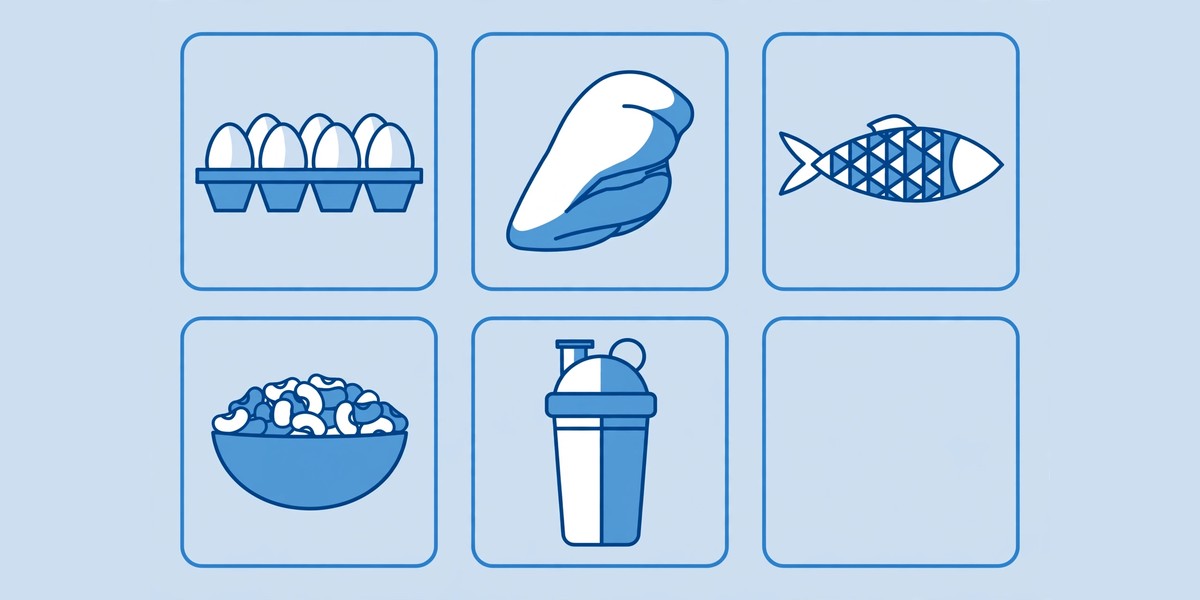
Aim for complete proteins, which contain all nine essential amino acids. Animal foods qualify automatically; plant eaters should mix sources like beans plus rice.
| Food | Serving | Protein (approx) |
|---|---|---|
| Chicken breast, cooked | 3 oz (85 g) | 26 g |
| Greek yogurt, plain | 1 cup (245 g) | 20 g |
| Canned tuna in water | 1 can (142 g) | 25 g |
| Eggs, whole | 2 large | 12 g |
| Whey protein powder | 1 scoop (30 g) | 25 g |
| Cottage cheese, low fat | 1 cup (226 g) | 24 g |
| Lentils, cooked | 1 cup (198 g) | 18 g |
| Salmon, cooked | 3 oz (85 g) | 22 g |
How Do You Spread Protein Across the Day?
Your body uses protein most efficiently in doses of 25 to 40 grams per meal, spread over 3 to 5 meals. One giant 100 gram dinner is less effective for muscle maintenance than 35 grams at three meals. A simple template for a 140 gram target:
- Breakfast (35 g): Greek yogurt with berries and a scoop of whey mixed in
- Lunch (40 g): large chicken breast salad or turkey wrap
- Snack (25 g): cottage cheese with fruit
- Dinner (40 g): salmon or lean beef with vegetables and rice
Front loading protein at breakfast is the easiest win for most people, since typical breakfasts (cereal, toast, pastries) contain almost none.
Frequently Asked Questions
How much protein do I need to build muscle?
Aim for 0.8 to 1.0 grams per pound of body weight daily, spread across 3 to 5 meals. Combine it with a small calorie surplus of about 300 calories and progressive resistance training.
Do I need protein powder to hit my target?
No, but it helps. One scoop adds 25 grams for about 120 calories, which makes it the most calorie efficient protein source available. Whole foods work fine if you plan meals around them.
How much protein is too much in one meal?
Your body can digest large amounts, but muscle building maxes out around 40 to 50 grams per meal for most people. Extra protein beyond that still counts toward your daily total and keeps you full.
Should older adults eat more protein?
Yes. Adults over 50 absorb protein less efficiently and lose muscle faster, so targets of 0.7 to 1.0 grams per pound are smart even without heavy training. Pair it with resistance exercise twice a week.
Does protein make you gain weight?
No food makes you gain weight by itself. Weight gain comes from a sustained calorie surplus. Protein actually makes overeating harder because it is filling and costly to digest.
How do vegetarians hit high protein targets?
Combine lentils, beans, tofu, tempeh, Greek yogurt, eggs, and whey if dairy is allowed. A cup of cooked lentils (18 g) plus a cup of Greek yogurt (20 g) plus two eggs (12 g) already reaches 50 grams before dinner.